Token Rewards or Cashback? A UK Net-Value Test for Small Crypto Earnings

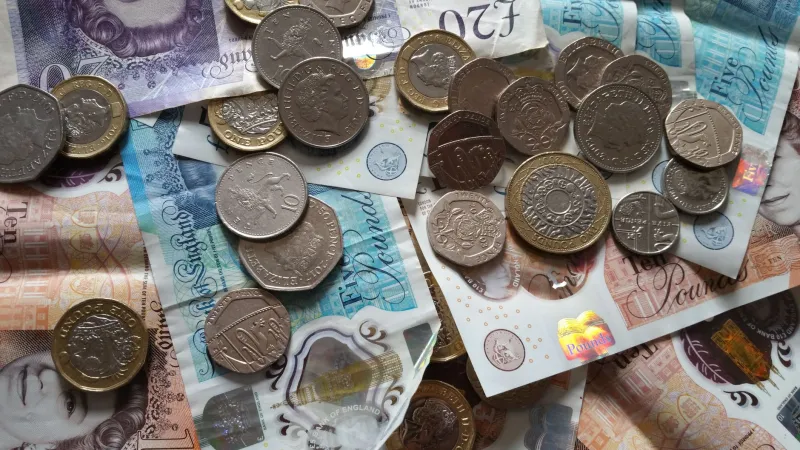
Photo: crypto reward token versus cashback comparison calculator UK, via www.multivu.com
UK savers are used to comparing cashback offers and savings rates in pounds and pence. Crypto reward tokens complicate that habit because the reward arrives in an asset whose value can move before it is spent. The result is a temptation to compare a token's headline annual percentage rate with a cashback percentage as if they were the same thing. They are not. A simple net-value test can make the comparison more honest without turning a small-scale earning strategy into a second job.
Why headline rates mislead
A reward token quoted at a high rate may be worth less than a modest cashback offer if the token is illiquid, volatile or expensive to convert. The headline rate also says nothing about the time it takes to sell, the spread on the exchange, or the tax records required. Cashback, by contrast, is usually a known discount or credit in GBP. The comparison should start with what can realistically be converted into spending power.
The four tests
Liquidity
Ask how quickly the reward can be turned into GBP and at what cost. A token with a deep market and a straightforward withdrawal route is different from one with a queue, a minimum withdrawal or a wide spread. For small balances, fixed withdrawal fees can be disproportionately large.
Volatility
A token reward is not the same as cash until it is sold. A conservative approach is to apply a confidence haircut: value the reward at a fraction of its current GBP price, based on how likely the price is to hold during the period before sale. This is not a forecast; it is a risk adjustment.
Tax treatment
HMRC's treatment of cryptoassets depends on the facts. Reward tokens may give rise to income tax at receipt and capital gains tax on later disposal, and records should show dates and GBP values. Conventional cashback may be treated differently from savings interest, which can benefit from the personal savings allowance depending on the individual's tax position. This is not tax advice; the practical point is that tax and record-keeping belong in the comparison.
Real spending power
Convert the reward to GBP after fees and tax, then compare it with what the same spending would have earned through cashback or a savings product. A reward that cannot be spent without a costly conversion is worth less than its screen value.
A simple net-value score
Use a short formula: net value equals expected GBP value multiplied by a confidence haircut, minus fees, estimated tax and admin cost. Then score each offer from one to five on liquidity, volatility, tax simplicity and platform confidence. For example, a £100 token reward with a 0.6 haircut, £5 fees and £10 estimated tax and admin leaves about £45. A £70 cashback offer is plainly better on net terms. If the token reward were £200, the same method might justify the extra complexity, but only if the liquidity and platform checks hold.
Applying it without overcomplicating
Most UK users do not need a portfolio of reward schemes. Pick one or two offers, set a monthly cap, and review quarterly. Keep records in GBP, separate reward income from disposals, and avoid chasing a token simply because its advertised rate is high. The aim is a repeatable routine, not a hunt for the highest number on a screen.
At EarnsBit, the preference is for rewards that can be explained in plain pounds and pence. Token rewards can be legitimate, but they should earn their place after liquidity, volatility and tax are counted. A net-value test is a modest discipline, and for small-scale UK earners it is usually enough.