The Exit Checklist: Five Crypto Reward Signals UK Users Should Not Negotiate With
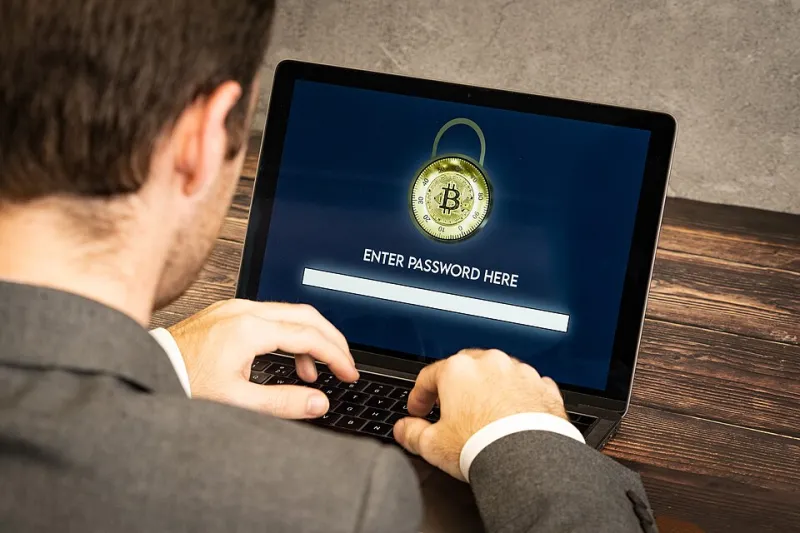
Photo: Edwin.images, CC BY-SA 4.0, via Wikimedia Commons
Crypto reward platforms are not uniformly unsafe. Many publish terms, impose checks and offer ordinary staking or cashback mechanics. The difficulty is that reward marketing often arrives with urgency attached: a countdown, a bonus tier, a direct message or a claim that a return is guaranteed. For UK users earning small amounts, the useful skill is not predicting prices. It is recognising when a prompt is trying to replace judgement with speed.
Closing a session is a risk control. It costs nothing and preserves the option to research later. The five prompts below should end the session rather than lead to a larger deposit.
1. A guaranteed or fixed APY on a volatile asset
A promise of guaranteed returns in crypto is a warning sign, not a comfort. Staking rewards can vary with network conditions, validator performance, platform terms and asset prices. A fixed headline rate may conceal lock-ups, slashing risk, counterparty exposure or a promotional period that ends quietly. In the UK, cryptoasset promotions are subject to financial promotion rules, but not every platform or overseas operator applies the same standards.
If a page leads with certainty and buries the conditions, stop. Read the terms later, check who operates the service and consider whether the yield is compensation for a risk you can identify. A return that cannot be explained without jargon is not a return you can plan around.
2. An urgent airdrop message from a direct message or group chat
Airdrop announcements often arrive through social media, Telegram groups or direct messages. Urgency is the mechanism: claim before a deadline, connect a wallet before a snapshot, verify before allocation is lost. These messages can lead to phishing sites that request wallet connections or signatures. A signature may be enough to drain assets without a conventional transfer.
Treat unsolicited airdrop messages as untrusted by default. Do not connect a wallet through a link in a message. If an airdrop is genuine, check the project's official domain and independent coverage. Even then, consider using a separate wallet with minimal funds. The reward is rarely worth exposing a main holding wallet.
3. Any request for a seed phrase or remote access
No legitimate platform needs a seed phrase to process a reward. A seed phrase controls the wallet; anyone who obtains it can move the assets. Requests may be framed as wallet verification, migration, customer support or a security check. Remote-access software requests are similarly dangerous. A support agent who needs to control your device is not providing support in any ordinary sense.
End the conversation. Do not enter the phrase into a website, chatbot or form. If you have already shared it, assume the wallet is compromised and seek specialist help. For UK users, reporting to Action Fraud and checking the FCA warning list can form part of the response, though recovery is rarely straightforward.
4. Referral pressure and team-building language
Referral bonuses are common and not automatically improper. The signal to watch is pressure. If a platform or community emphasises recruiting others, ranks, team volume or income from downlines, the reward structure may be encouraging you to sell the opportunity rather than assess it. Social pressure can make a cautious user deposit more to avoid letting others down.
A simple rule is to separate social encouragement from financial analysis. A friend's referral code is not due diligence. If you would not use the platform without the bonus, the bonus is not a reason to start. If the explanation relies on urgency and loyalty rather than transparent terms, close the tab.
5. Rewards that require trading volume or further deposits
Some rewards are conditional on trading a certain value, maintaining a balance or depositing more before a deadline. These conditions can turn a modest reward into a costly activity. Trading volume may generate fees, spread costs and tax records. A deposit requirement may lock up funds that are needed elsewhere. In the worst cases, the reward is smaller than the cost of qualifying for it.
Calculate the net value before acting. Include fees, withdrawal costs, lock-up periods and the possibility that the reward asset falls in value. If the qualifying activity requires leverage, stop. Borrowing to earn a reward is not small-scale earning; it is a different risk category.
A practical exit checklist
When a prompt triggers concern, close the tab or app and complete these steps:
- Do not connect a wallet, sign a message or share a seed phrase.
- Check the platform through its official domain or app, not a link from the prompt.
- Search for independent information and regulatory warnings.
- Wait at least 24 hours before making any deposit or trade.
- Read withdrawal terms, lock-up periods and fee schedules.
- Revoke unnecessary wallet approvals using a trusted tool if you have already connected.
- Keep a separate wallet for experiments, with only minimal funds.
- Record the incident if money or data has been lost, and report suspected fraud.
Safer alternatives for small-scale earning
Cautious UK users can still explore crypto rewards without treating every promotion as an opportunity. Keep positions small, use established platforms with clear terms, avoid leverage and hold near-term cash outside crypto. Prefer simple mechanics you can explain, such as transparent staking or cashback, over tiered schemes that reward recruitment or volume. Keep records for tax purposes and review the arrangement regularly.
The central point is not that rewards are always bad. It is that a prompt demanding speed is a poor basis for a financial decision. Logging out is often the more disciplined move.